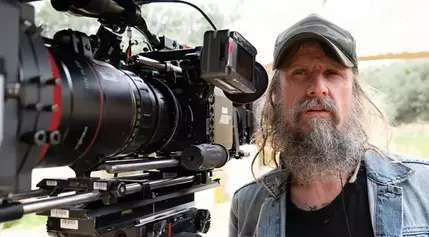
Rob Zombie, a multifaceted artist renowned for his music and filmmaking, has made it clear that he has no immediate plans to return to directing television. His experience directing an episode of CSI: Miami left him with a different perspective on the medium. Zombie found that television production operates under strict formulas and guidelines, which limited his creative freedom. This realization led him to prefer the autonomy offered by feature films over the structured environment of TV series.
The Evolution of a Multifaceted Artist
Zombie's career spans multiple disciplines, from leading the band White Zombie to becoming a successful solo musician and filmmaker. His transition into directing brought him acclaim with films like The Lords of Salem. However, when given the opportunity to direct an episode of CSI: Miami, he encountered a very different set of challenges. The constraints of working within an established show format were not conducive to his artistic vision, ultimately steering him away from television.
This shift in focus can be attributed to the stark differences between film and television direction. In film, directors have more control over the creative process, allowing them to experiment and leave a personal mark on their work. Zombie’s attempt to bring a unique flavor to the CSI: Miami episode was met with resistance. The showrunners preferred to maintain their proven formula, which left Zombie feeling disillusioned with the television industry. He realized that the collaborative nature of TV production did not align with his desire for creative independence. Consequently, he decided to channel his energy into projects where he could have greater artistic control.
Television's Formulaic Structure vs. Film's Creative Freedom
The contrast between the rigid structure of television and the creative freedom of film became evident during Zombie’s time on CSI: Miami. While the show provided a platform to reach a wide audience, the limitations imposed by the existing format hindered his ability to innovate. This experience highlighted the fundamental differences between the two mediums and influenced his decision to prioritize filmmaking.
In television, directors often work under the guidance of showrunners who enforce a consistent style across episodes. This can lead to a lack of individual expression, as seen in Zombie’s case. On the other hand, feature films offer directors the opportunity to shape the entire narrative and visual style, resulting in a more personalized final product. Zombie’s preference for this level of control is understandable, especially after witnessing firsthand the constraints of television. Despite the potential benefits of directing TV, such as reduced stress and less direct scrutiny, the allure of creative autonomy in film remains irresistible for artists like Zombie.