Students embrace their Hispanic heritage through music at Santa Ana High School
Embracing Cultural Roots: How Regional Mexican Music Empowers Santa Ana High School Students
In the vibrant city of Santa Ana, California, a cultural renaissance is unfolding within the walls of Santa Ana High School. Regional Mexican music, once confined to the local community, has now become a global phenomenon, thanks to the rise of music icons like Peso Pluma and Fuerza Regida. This cultural shift has had a profound impact on the school's music students, particularly those with Hispanic heritage, who are now embracing their roots through a unique after-school program called Palomazo Academy.Empowering Students to Celebrate Their Cultural Identity
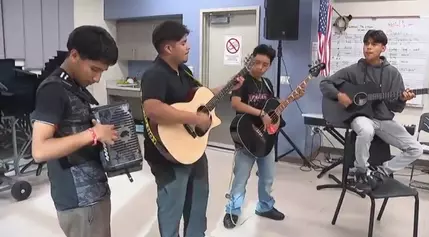
Palomazo Academy, now in its fourth year of operation, is an after-school program in Orange County that provides students with access to professional instructors and musical instruments at no cost. This innovative initiative has created a safe and inclusive space for members to immerse themselves in the rich tapestry of their cultural heritage."This reminds me of where I came from and the culture and the people," shared Andres Aguilar, a member of Palomazo Academy. The club boasts over 15 members, all of whom are upper-class students who take pride in sharing their cultural traditions with their younger mentees.Oscar Lopez, a senior at Santa Ana High School and a member of the club, explained the approach they take to engaging their peers: "Whatever it is, we have to get them comfortable. And then if they want to learn a song, we teach them that song, but we teach them step by step."Embracing the Rhythms and Rejecting the Stereotypes
While Regional Mexican music has sometimes been associated with lyrics about drugs and violence, the students at Palomazo Academy are encouraged to focus on the rhythms and melodies that connect them to their cultural heritage. According to music instructor Marina Casares, the club's mission is to help students build a deeper connection to their culture and family through the power of music."Having this allows the students to feel heard, feel safe, it's a safe place where they can enjoy their music, they can enjoy their craft but also feel supported," Casares said. The club's success has been evident in the way it has become a bridge between generations, helping students embrace their roots and share their passion with their families.Fostering a Sense of Belonging and Cultural Pride
In a school setting, where cultural diversity can sometimes be overlooked, the Palomazo Academy has become a beacon of inclusivity and representation. Andres Aguilar, a member of the club, expressed the personal significance of the program, saying, "It's what my family likes to listen to too, and they like it when I play this kind of music at home."The club's impact extends beyond the walls of the school, as it empowers students to celebrate their cultural identity and share it with their communities. By providing a safe and supportive environment, Palomazo Academy is helping to bridge the gap between generations and foster a sense of belonging among its members.Cultivating Musical Talent and Cultural Appreciation
The Palomazo Academy's approach to teaching Regional Mexican music goes beyond simply learning the songs. The club's upper-class student leaders work diligently to ensure that their mentees not only master the technical aspects of the music but also develop a deep appreciation for the cultural significance and historical context behind the rhythms and melodies."Whatever it is, we have to get them comfortable. And then if they want to learn a song, we teach them that song, but we teach them step by step," explained Oscar Lopez, highlighting the club's commitment to a holistic learning experience.This comprehensive approach has yielded remarkable results, as students not only hone their musical skills but also deepen their understanding and connection to their cultural heritage. The club's success has become a source of pride for the entire Santa Ana High School community, as it showcases the power of music to bridge cultural divides and empower the next generation of leaders.Fostering a Sense of Community and Belonging
The Palomazo Academy's impact extends beyond the realm of music education. By creating a safe and inclusive space for students to explore their cultural roots, the club has become a hub of community and belonging. Members not only learn and perform Regional Mexican music but also engage in discussions, share personal experiences, and build meaningful connections with their peers."Having this allows the students to feel heard, feel safe, it's a safe place where they can enjoy their music, they can enjoy their craft but also feel supported," said Marina Casares, the music instructor who oversees the program.This sense of community and belonging is particularly important for students who may have felt marginalized or underrepresented in the broader school environment. The Palomazo Academy provides them with a platform to celebrate their cultural identity and share it with their peers, fostering a greater sense of pride and self-acceptance.Empowering the Next Generation of Cultural Ambassadors
The Palomazo Academy's impact extends beyond the walls of Santa Ana High School, as it has the potential to inspire and empower the next generation of cultural ambassadors. By providing students with the tools and resources to embrace their heritage, the club is nurturing a new wave of leaders who will carry the torch of cultural preservation and celebration.As the global reach of Regional Mexican music continues to grow, the Palomazo Academy's role in shaping the cultural landscape of Santa Ana High School becomes increasingly significant. The club's success serves as a testament to the power of music to transcend boundaries, foster unity, and empower marginalized communities to reclaim their cultural identity.Through the Palomazo Academy, the students of Santa Ana High School are not only learning the rhythms and melodies of Regional Mexican music but also cultivating a deeper understanding of their cultural roots. This holistic approach to music education is a testament to the transformative power of the arts and the importance of creating inclusive spaces that celebrate diversity and foster a sense of belonging.