It’s not getting any easier for fast-food chains
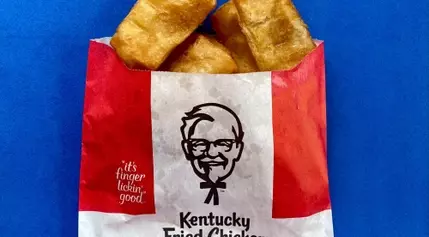
The fast-food industry has faced a series of challenges in recent quarters, as rising prices and changing consumer behaviors have put pressure on some of the sector's biggest players. From declining sales at KFC and Burger King to the resilience of Taco Bell and Tim Hortons, the landscape is shifting, and fast-food chains are being forced to adapt to stay competitive.
Adapting to the New Normal: Fast-Food Chains Confront Evolving Consumer Demands
Declining Sales and the Quest for Value
The latest earnings reports from major fast-food chains paint a mixed picture. While some brands have managed to maintain their footing, others have struggled to keep up with the changing tides. McDonald's, for instance, reported a drop in global sales, a trend mirrored by KFC and Burger King. Soaring prices have been a significant factor, as consumers increasingly seek out more affordable options, whether that means cooking at home or exploring independent restaurants and casual dining establishments.To combat this, fast-food giants have turned to value-focused strategies, introducing new menu deals and promotions aimed at luring back price-conscious diners. However, it remains to be seen whether these efforts will be enough to stem the tide of declining sales.The Rise of Taco Bell and Tim Hortons: Bucking the Trend
Amidst the broader challenges facing the industry, some fast-food chains have managed to buck the trend. Taco Bell, for instance, has found success by catering to consumers' appetite for cheaper, value-driven options. The brand's focus on affordable menu items and value-based offerings has resonated with diners, helping it to maintain a steady uptick in sales.Similarly, Tim Hortons, a subsidiary of Restaurant Brands International, has also emerged as a bright spot in the industry. The Canadian coffee and donut chain has managed to grow its sales, even as its parent company's other brands, such as Burger King and Popeyes, have struggled.These success stories highlight the importance of understanding and adapting to evolving consumer preferences. By offering value-driven options and catering to the changing needs of their customer base, Taco Bell and Tim Hortons have managed to navigate the turbulent landscape more effectively than some of their peers.The Shifting Landscape: Consumers Seek Alternatives to Fast Food
The challenges facing the fast-food industry extend beyond just rising prices and value-conscious consumers. Some diners are also turning to alternative dining options, such as independent restaurants and casual dining chains, in search of a better overall experience.This shift in consumer behavior is driven by a range of factors, including a desire for more unique and authentic dining experiences, as well as a growing emphasis on supporting local businesses and communities. As a result, fast-food chains are finding themselves in an increasingly competitive environment, where they must not only contend with rising costs but also differentiate themselves from a growing array of alternatives.To stay relevant and appealing to consumers, fast-food chains may need to re-evaluate their offerings, focusing on factors such as menu innovation, customer service, and the overall dining experience. By adapting to these changing preferences, they can hope to regain the loyalty of diners and maintain their position in the increasingly crowded fast-food landscape.The Pandemic's Lasting Impact: Shifting Consumer Habits and the Future of Fast Food
The COVID-19 pandemic has had a profound and lasting impact on the fast-food industry, with many of the changes it has catalyzed likely to persist in the years to come. The shift towards more value-driven dining options, the rise of home cooking, and the growing preference for alternative dining experiences are all trends that have been accelerated by the pandemic.As the industry navigates this new reality, fast-food chains will need to carefully assess their strategies and adapt accordingly. This may involve rethinking their menu offerings, investing in technology and digital platforms, and exploring new ways to engage with their customer base.Moreover, the pandemic has also highlighted the importance of resilience and adaptability in the fast-food sector. Those chains that have been able to pivot quickly and respond to the changing needs of consumers are likely to emerge from this period in a stronger position, while those that fail to adapt may find themselves struggling to keep up with the competition.As the fast-food industry continues to evolve, the ability to anticipate and respond to shifting consumer preferences will be a critical factor in determining the long-term success of these iconic brands. By staying attuned to the changing landscape and making strategic investments in innovation and customer experience, fast-food chains can hope to navigate the turbulent waters ahead and emerge as leaders in the ever-evolving world of quick-service dining.





















































![FAO Food Price Index firm in June: higher vegetable oil, sugar and dairy prices offset lower cereal quotations [EN/AR/RU/ZH]](https://img.royaweb.io/news/1809a51f5f01952398c755bdb8b84e62.webp "FAO Food Price Index firm in June: higher vegetable oil, sugar and dairy prices offset lower cereal quotations [EN/AR/RU/ZH]")