‘The Bear’ Strived for Michelin Quality in Season 3. Its Regulars Preferred the Comfort Food.
The Unraveling of the Restaurant Industry: A Cautionary Tale of Ambition and Excess
The restaurant industry has long been a microcosm of the human experience, a stage where the promise of culinary excellence and the ruin of overreaching ambition collide. In the latest season of the acclaimed FX on Hulu series "The Bear," the show's creators have deftly captured this dichotomy, drawing parallels to the real-life saga of the Michelin-starred restaurant Bros' and its ill-fated pursuit of gastronomic grandeur.Pushing the Boundaries of Taste and Reason
The Downfall of Bros'
The story of Bros', a Michelin-starred restaurant in Italy, serves as a cautionary tale for the restaurant industry. As writer Geraldine DeRuiter recounts in a viral essay, her dining experience at Bros' was a surreal and unsettling affair, marked by a series of bizarre culinary creations that defied both logic and palate. From an "oyster loaf that tasted like Newark airport" to a "marshmallow flavored like cuttlefish," the restaurant's avant-garde approach seemed to have lost touch with the fundamental purpose of dining: to nourish and delight the senses.The restaurant's website boasts of "blending avant-garde cuisine with a deep connection to its local roots," but DeRuiter's account paints a different picture. The lack of a traditional menu, replaced by a QR code linking to a video of a chef discussing unrelated topics, only added to the sense of disorientation. The chef's subsequent "Declaration" to The Today Show, filled with existential musings about the nature of art and beauty, further underscored the restaurant's detachment from the practical realities of the industry.The Bear's Descent into Excess
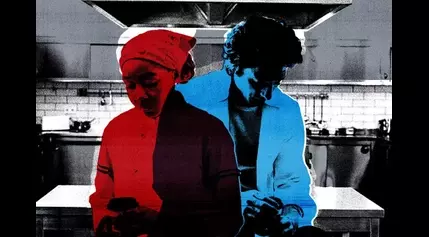
The parallels between Bros' and the fictional restaurant at the heart of "The Bear" are striking. Both establishments have embraced a level of culinary experimentation and showmanship that, at times, seems to overshadow the fundamental purpose of their craft. In the show's latest season, the character of Carmy, the driven and ambitious chef, becomes increasingly consumed by his quest for a Michelin star, to the detriment of his relationships and the well-being of his staff.The show's once-crisp focus on the gritty realities of the restaurant industry has given way to a more self-indulgent approach, with an overabundance of celebrity cameos, moody montages, and rapid-fire dialogue that can feel more like a distraction than an enhancement. Critics have described the season as "overstuffed and undercooked," a clanging, wailing beast" that has lost the ability to "taste its own cooking."The Perils of Scaling Charm and Creativity
The challenges faced by both The Bear and Bros' highlight the delicate balance that successful restaurants must strike between innovation and accessibility, between pushing boundaries and maintaining a connection with their core audience. As the show's creator, Christopher Storer, and the real-life chefs at Bros' have discovered, charm and creativity can be difficult to scale, and the pursuit of accolades and recognition can sometimes come at the expense of the very qualities that made them stand out in the first place.The Bear's initial seasons were praised for their gritty authenticity and their ability to capture the full range of emotions and experiences that define the restaurant industry. Similarly, Bros' had earned a Michelin star for its "creativity and imagination," a testament to the restaurant's ability to captivate diners with its unconventional approach. But as both the show and the real-life establishment have learned, maintaining that level of innovation and artistry in the face of growing success and expectations can be a daunting challenge.The Enduring Allure of the Restaurant Industry
Despite the cautionary tales of Bros' and the fictional Bear, the restaurant industry continues to hold a powerful allure for those seeking to push the boundaries of culinary expression. The promise of creating something truly unique and memorable, of crafting a dining experience that transcends the ordinary, remains a powerful draw for chefs and restaurateurs alike.But as The Bear and the real-life saga of Bros' have demonstrated, the path to success is fraught with pitfalls. The relentless pursuit of accolades and recognition can lead to a loss of focus, a disconnect from the fundamental needs and desires of diners, and a descent into a kind of self-indulgent excess that ultimately undermines the very qualities that made the establishment special in the first place.The true test for both the fictional Bear and the real-world restaurants that aspire to greatness lies in their ability to balance ambition with humility, to maintain a connection with their core audience even as they push the boundaries of what is possible in the culinary realm. It is a delicate dance, one that requires a deep understanding of the industry, a keen sense of one's own strengths and limitations, and a willingness to adapt and evolve in the face of changing tastes and expectations.As the restaurant industry continues to evolve, the lessons of The Bear and Bros' will undoubtedly serve as a cautionary tale, a reminder that true greatness is not found in the pursuit of accolades or the embrace of excess, but in the unwavering commitment to craft, the relentless pursuit of excellence, and the ability to connect with the very people who make the industry thrive: the diners.










































![FAO Food Price Index firm in June: higher vegetable oil, sugar and dairy prices offset lower cereal quotations [EN/AR/RU/ZH]](https://img.royaweb.io/news/1809a51f5f01952398c755bdb8b84e62.webp "FAO Food Price Index firm in June: higher vegetable oil, sugar and dairy prices offset lower cereal quotations [EN/AR/RU/ZH]")