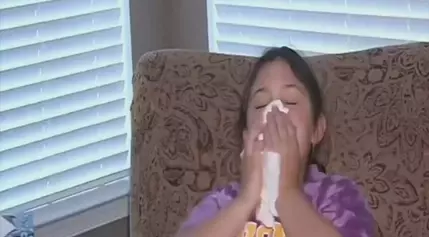
Kids recovering from whooping cough at Miami Valley high school
2025-11-16
4.3K
129
30
Combating the Resurgence of Whooping Cough in the Miami Valley
As the new school year begins, the Miami Valley is facing a concerning outbreak of whooping cough, a highly contagious respiratory illness that can have serious consequences, especially for young children. With confirmed cases already reported in the region, public health officials are urging vigilance and proactive measures to prevent the further spread of this potentially dangerous disease.
Staying Ahead of the Whooping Cough Curve
Tracking the Troubling Trend
The recent surge in whooping cough cases in the Miami Valley is a stark reminder of the ongoing public health challenge posed by this disease. Last year, Ohio saw 600 confirmed cases, and the situation appears to be worsening, with 81 cases already reported in the region this year. The discovery of two confirmed cases at Wayne High School in Huber Heights underscores the need for proactive measures to protect students and the broader community.Whooping cough, also known as pertussis, is a highly contagious respiratory illness characterized by a distinctive, violent cough that can last for weeks or even months. While the symptoms may initially resemble those of a common cold, with a runny nose and fever, the condition can quickly escalate, leading to severe coughing fits that can make it difficult to breathe, eat, or sleep. In some cases, the cough can be so intense that it can cause vomiting or even rib fractures.
Safeguarding the Community
In the face of this growing threat, public health officials are urging residents to take proactive steps to protect themselves and their loved ones. Dan Suffoleto from Public Health Dayton & Montgomery County emphasizes the importance of practicing good hygiene, such as frequent handwashing with soap and water, and avoiding close contact with individuals who are already sick."You can try to practice hygiene as best you can in terms of washing your hands frequently with soap and water. Try to avoid sick people if you can to the extent you can," Suffoleto advises.However, the challenge lies in accurately identifying the symptoms of whooping cough, as they can often be mistaken for those of seasonal allergies or other common respiratory illnesses. Suffoleto cautions that individuals who are experiencing persistent coughing, fever, and a runny nose should seek medical attention to ensure a proper diagnosis and appropriate treatment.
Vaccination: The First Line of Defense
One of the most effective ways to combat the resurgence of whooping cough is through vaccination. The Centers for Disease Control and Prevention (CDC) recommends that all children receive the DTaP vaccine, which protects against diphtheria, tetanus, and pertussis (whooping cough). Additionally, the CDC advises that adults, including pregnant women, receive the Tdap vaccine to maintain their immunity and help prevent the spread of the disease.While vaccination is not a guarantee against contracting whooping cough, it significantly reduces the risk of severe illness and complications. By ensuring that individuals are up-to-date with their vaccinations, the community can collectively work to build a stronger defense against this potentially dangerous disease.
Collaboration and Vigilance: The Path Forward
Addressing the resurgence of whooping cough in the Miami Valley will require a multi-faceted approach that involves collaboration between public health officials, healthcare providers, educators, and the community at large. By staying informed, practicing good hygiene, and ensuring that everyone is up-to-date with their vaccinations, the region can take proactive steps to mitigate the spread of this illness and protect the health and well-being of its residents.As the new school year progresses, it is crucial that parents, teachers, and school administrators remain vigilant and work closely with local health authorities to monitor the situation and respond swiftly to any new developments. By working together, the Miami Valley can overcome this public health challenge and emerge stronger, better prepared to safeguard the community against the threat of whooping cough.